Junction City sits north of Eugene in the open farm country of the upper Willamette Valley, with an older town center, newer neighborhoods on its edges, and grass-seed fields and farms stretching out in every direction.
Wind, fields and pollen
Out on the flat valley floor, winter wind and fog make homes work harder for heat, and summer brings both heat and some of the heaviest grass-pollen exposure in the valley. Good filtration and a well-sealed duct system matter here.
Town homes and farmhouses
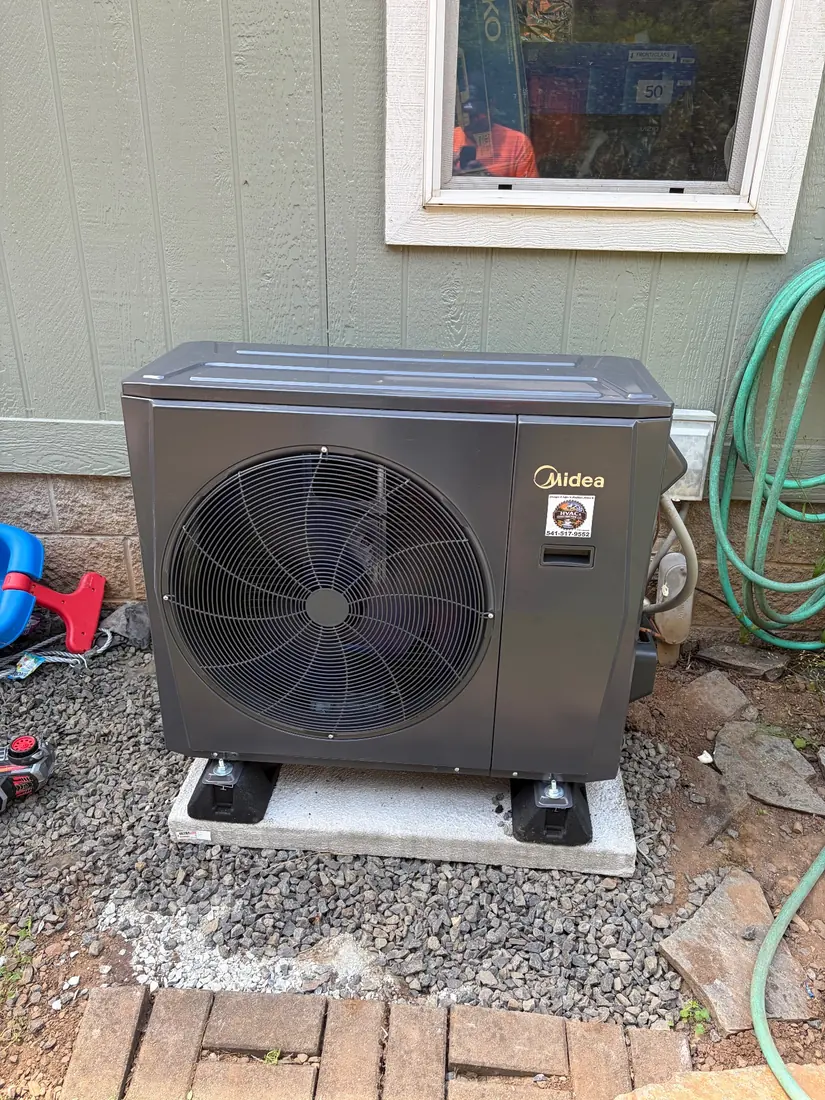
In-town homes range from older houses near downtown to newer construction, while farmhouses and rural homes often mix gas, propane, wood and electric heat. Heat pumps and ductless systems are common upgrades, and shops and outbuildings often need their own heat.
Utilities and permits
Electric service in and around Junction City depends on the address, so check your bill for your provider and its programs. Whether a permit goes through the city or Lane County depends on the address; a licensed contractor confirms which and pulls it.
Junction City questions
HVAC in Junction City: quick answers.
What filter should I use during grass-pollen season near Junction City?
A pleated filter rated around MERV 11 to 13, if your system can handle it, catches most pollen. Check it monthly in late spring and early summer and change it when it looks loaded.
Can a heat pump replace propane heat on a farm property?
Often, yes. A properly sized heat pump can cut heating costs compared with propane in the valley’s mild winters, with the existing system or electric strips kept as backup for the coldest days.
Who handles HVAC permits in Junction City?
It depends on whether the address is inside city limits or in unincorporated Lane County. Your contractor should confirm which office handles it, pull the permit and schedule the inspection.